Creative Process / AI & Music
The 90-Day AI Deep Dive: From Consumer to Creator
One creative focus. Four albums. A deliberate experiment in what happens when a writer treats AI as an instrument and commits to making things.
The WALKINGKEYS project started with a practical question: what could happen if a writer stopped sampling new AI tools and committed to one creative field?
On December 12, 2025, that question became a 90-day immersion in AI-assisted music production. The goal was concrete: write, produce, and release four full-length albums. The focus was music. The method was making things, learning from the results, and doing it again.
Every lyric stayed human
The creative boundary was clear from the beginning. The words, ideas, and direction would come from the writer. AI would support the production, arrangement, and refinement of the music.
That distinction is at the heart of WALKINGKEYS. A new tool can change how a song takes shape without taking ownership of what the song means. The writer keeps control of the message. The machine helps carry it into sound.
Four albums, four stages
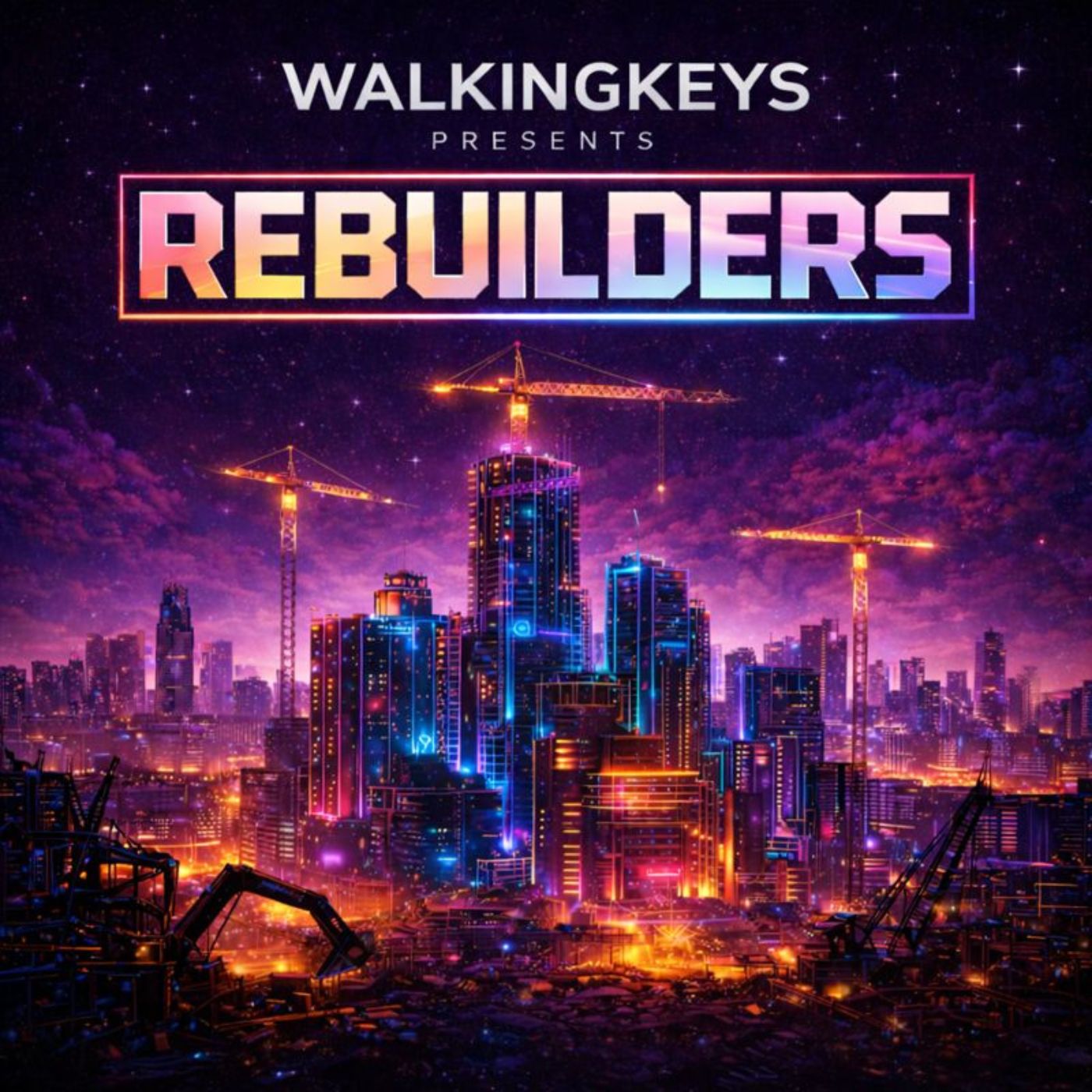
Rebuilders arrived on December 26, 2025. It was the foundational, multi-genre exploration: learning the platform, testing possibilities, and establishing a creative starting point.
Legacy In Advance followed on January 28, 2026. Alternative and rock sounds, with hip-hop influences, marked a move toward more intentional direction and stronger thematic cohesion.
No Stranger Thing Than Love came out on February 14, 2026. The Valentine’s Day release centered on love and connection, with dance-driven production throughout.
Smoke And Mirrors completed the cycle. It was sent for distribution on March 12 and released on March 22, 2026. The hip-hop project brought a stronger emphasis on lyrical depth, authenticity, and more complex themes.
Across the four albums, the experiment produced more than 52 tracks.
The work taught the workflow
Each day created another loop: write the lyrics, develop the musical direction, listen closely, refine, and repeat. The early priority was volume and learning. With each iteration, creative choices became more deliberate.
Rap and hip-hop brought particular challenges. Lyrical density, rhythmic timing, and cadence demanded careful direction and repeated refinement. Getting an output was only the beginning. Getting the intended result required listening and judgment.
The learning also carried into visual design, branding, and the larger creative world around the music. Working deeply in one medium opened doors into others.
A practice that continued
The first four albums established the foundation. Organic Machine later brought that human-and-machine relationship into the music itself, exploring thought, technology, autonomy, and creativity through futuristic hip-hop and cinematic electronic sounds.
The lesson from the original immersion was practical: a specific goal and a sustained creative practice can turn curiosity into capability.
Human written. Machine amplified. Still creating.